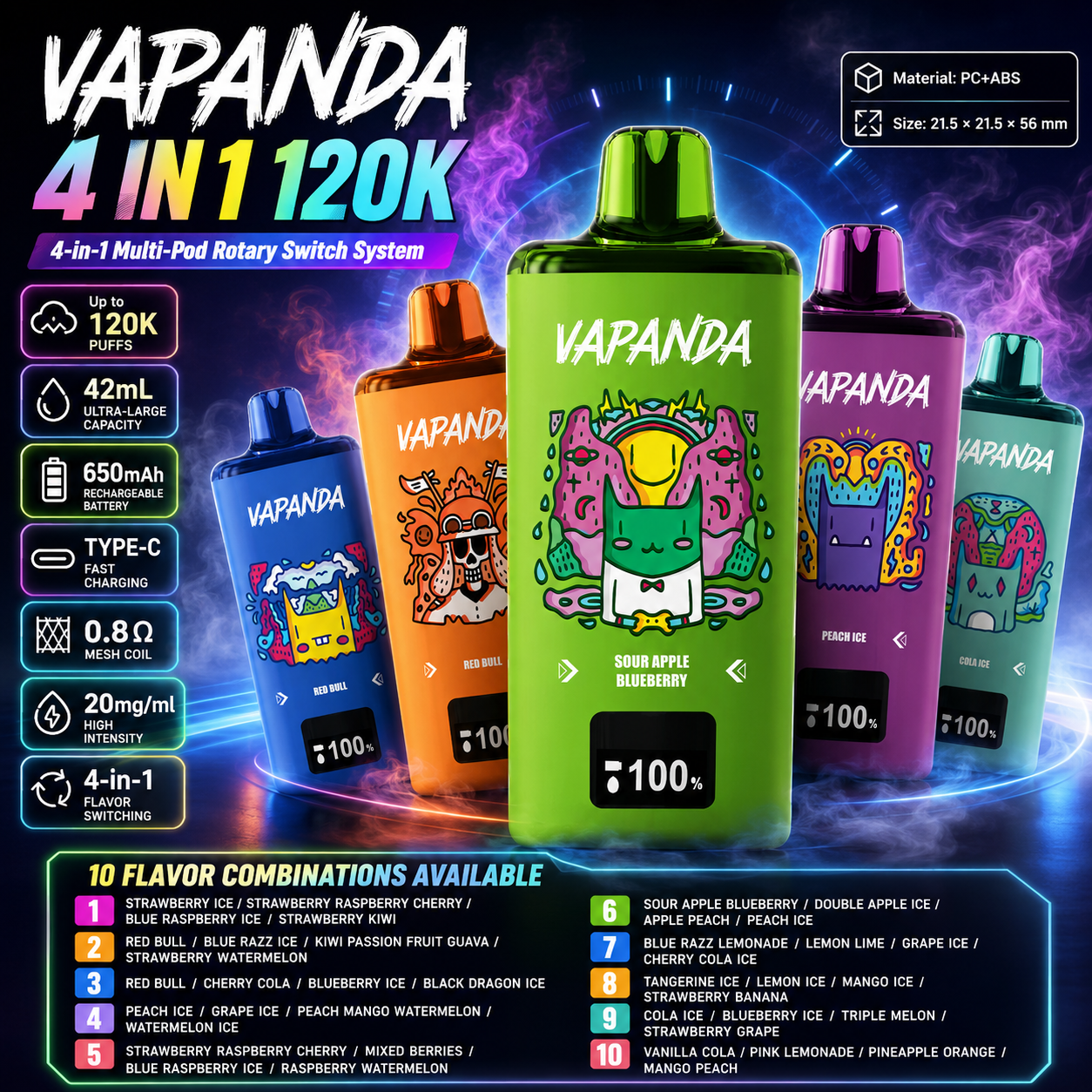
For vape dealers and distributors, comparing puff count, battery capacity, charging type, and flavor options is only the first step. A reliable wholesale vape supplier should also support stable production, clear documentation, predictable reorder planning, and market-specific logistics.This 2026 guide outlines a practical supplier evaluation checklist for business buyers who need to assess vape manufacturers beyond product specifications.
Vape Supplier Evaluation Checklist for Dealers
Before entering a supplier relationship, distributors should evaluate suppliers across several key areas.
| Column 1 | Column 2 | Column 3 |
|---|---|---|
| Evaluation Area | What Vape Dealers Should Check | Why It Matters |
| Manufacturing Continuity | Stable production schedule,batch consistency, roadmap visibility | Reduces reorder uncertainty and supply gaps. |
| Documentation | ISO standards, test reports, declarations, packaging files | Supports preliminary due diligence before procurement. |
| Product Lifecycle | Availability across multiple batches or generations | Helps maintain repeat orders and brand loyalty. |
| Portfolio Depth | Multiple device formats and compliant SKU options | Supports different regional demands and regulations. |
| Logistics | Warehouse location, lead time, replenishment process | Improves inventory planning and capital efficiency. |
| After-Sales Support | Defect handling, replacement policy, communication speed | Reduces distributor risk and protects retail relationships. |
Rather than relying on a single factor, distributors should evaluate suppliers across all of these areas to gain a more complete understanding of long-term sourcing potential.
Why Product Specifications Are Only the Starting Point
Many distributors begin supplier evaluations by comparing:
-
Puff count
-
Battery capacity
-
Charging technology
-
Coil configuration
-
Flavor variety
-
Display features
While these specifications influence retail appeal, they do not necessarily indicate whether a supplier can support long-term business growth.
Two products may appear nearly identical on paper while offering very different levels of production stability, inventory availability, documentation support, and reorder reliability.
For wholesale buyers, operational consistency often becomes just as important as product specifications.
How to Review Product Lifecycle and Reorder Stability
Product lifecycle management is frequently overlooked during supplier selection.
A product may perform well during launch, but distributors also need to understand what happens six months or twelve months later. Frequent discontinuations can create challenges for inventory planning, customer retention, and repeat orders.
Common risks include:
-
Sudden stock shortages
-
Packaging changes between batches
-
Flavor availability fluctuations
-
Product discontinuation without replacement models
-
Additional sales and training costs
For this reason, many distributors prefer manufacturers that maintain product families across multiple generations rather than continuously replacing platforms after short release cycles.
When evaluating suppliers, it is useful to ask about future product roadmaps, replacement plans, and expected production continuity.
What Certification Resources Can and Cannot Prove
Documentation review is a standard part of supplier due diligence.
Before initiating procurement discussions, distributors often review:
-
Product specifications
-
Testing reports
-
Manufacturing certifications
-
Compliance declarations
-
Packaging documentation
The objective is not to determine market authorization but to understand what documentation resources are available for preliminary supplier assessment.
As part of supplier due diligence, distributors often review publicly available product and documentation resources. For example, business buyers can examine VAAPEE certification resources and VAAPEE product information during preliminary supplier screening.
These resources may assist initial supplier evaluation, but they should always be reviewed alongside local market requirements, SKU-level compliance obligations, and independent regulatory verification.
Product Portfolio Depth and Market Flexibility
Consumer preferences continue to vary significantly between regions.
As a result, distributors often prefer suppliers capable of supporting multiple product categories rather than relying on a single flagship device.
Examples include:
-
Standard disposable devices
-
Rechargeable disposable devices
-
Dual-flavor platforms
-
Multi-flavor systems
-
Display-equipped products
-
Adjustable airflow devices
A broader product portfolio may help distributors adapt to changing demand without sourcing from multiple suppliers.
When evaluating suppliers, business buyers may review available product categories, feature diversity, and long-term platform support. Product collection resources can help distributors understand available device formats during supplier screening.
However, product suitability should always be assessed according to local market requirements rather than feature specifications alone.
Logistics, Warehousing, and Regional Fulfillment
Logistics capabilities can influence sourcing efficiency as much as product quality.
For distributors serving multiple markets, factors such as shipping speed, warehouse availability, replenishment frequency, and fulfillment consistency can significantly affect operations.
Questions commonly reviewed include:
-
Are regional warehouse options available?
-
How frequently is inventory replenished?
-
Are fulfillment processes standardized?
-
Is inventory visibility provided?
-
Are lead times communicated clearly?
Regional warehousing has become increasingly important for distributors seeking greater supply flexibility and faster delivery options.
Compliance Considerations
Regional warehouse availability should be reviewed together with SKU-level market eligibility. In markets such as the European Union and the United Kingdom, nicotine concentration limits, tank or cartridge volume requirements, labeling obligations, product notification procedures, and product configuration restrictions may affect which products can be legally distributed. Warehouse availability, product documentation, or supplier claims do not automatically indicate market authorization.
Supplier Scorecard for Vape Distributors
The following scorecard can be used to compare suppliers more objectively.The scorecard below is intended as a practical comparison tool, not a substitute for legal, technical, or compliance review.
| Column 1 | Column 2 | Column 3 |
|---|---|---|
| Category | Weight | Score (1-5) |
| Manufacturing Stability | 20% | |
| Documentation Availability | 15% | |
| Product Portfolio | 15% | |
| Logistics Support | 15% | |
| Reorder Stability | 15% | |
| Communication Quality | 10% | |
| After-Sales Support | 10% |
Suggested Interpretation
| Column 1 | Column 2 |
|---|---|
| Total Score | Evaluation |
| 90-100 | Strong sourcing candidate |
| 75-89 | Suitable with additional review |
| 60-74 | Further due diligence recommended |
| Below 60 | Higher sourcing risk |
Buyers can score each category from 1 to 5, apply the suggested weight, and compare the final weighted score across suppliers.
Using a scorecard allows distributors to compare suppliers consistently rather than relying solely on product features or marketing claims.
Red Flags When Evaluating Vape Suppliers
Before placing an order, distributors should watch for warning signs that may indicate future supply or compliance risks.
Common red flags include:
-
Frequent product discontinuations
-
Unclear manufacturing schedules
-
Incomplete documentation resources
-
Poor communication responsiveness
-
Uncertain replenishment processes
-
Inconsistent packaging between batches
-
Lack of wholesale support channels
-
Heavy dependence on a single product line
-
Limited inventory visibility
-
No clear product roadmap
While a single issue may not automatically disqualify a supplier, multiple warning signs may justify additional due diligence.
Questions Vape Dealers Should Ask Before the First Order
Before committing to a supplier relationship, distributors may consider asking:
-
What is the minimum order quantity (MOQ)?
-
What are the standard lead times?
-
How frequently is inventory replenished?
-
Are replacement models available if products are discontinued?
-
What documentation can be provided for review?
-
Which warehouse locations currently support fulfillment?
-
How are defective products handled?
-
What reorder support is available?
-
How often are product specifications updated?
-
Are there market-specific compliance requirements that should be reviewed?
These questions can help identify operational strengths and sourcing risks before larger purchasing commitments are made.
FAQ
1. What should vape dealers check before choosing a supplier?
They should review manufacturing continuity, product documentation, portfolio depth, reorder support, logistics capabilities, and SKU-level market requirements.
2. Do certification resources mean a vape product can be sold in every market?
No. Certification resources may support preliminary due diligence, but market authorization and sales eligibility depend on local regulations.
3. Why does product lifecycle matter for distributors?
A stable product lifecycle helps distributors manage repeat orders, forecast inventory, train sales teams, and reduce sudden product replacement risk.
4. How can logistics support affect vape wholesale purchasing?
Regional warehousing, replenishment frequency, fulfillment consistency, and lead time transparency can influence inventory planning and customer delivery.
5. What questions should distributors ask before the first order?
They should ask about MOQ, lead time, production continuity, available documentation, SKU availability, replacement models, warehouse options, and after-sales support.
Conclusion
Business buyers can review available certificate resources, product information, MOQ details, SKU availability, and fulfillment options as part of preliminary supplier screening. Before procurement, distributors should confirm all local market requirements and request the relevant documentation for each target market.Request wholesale supplier information.
Regulatory Notice & B2B Disclaimer
General Information Purpose Only
This article is intended solely for international B2B information, supplier screening, and supply chain evaluation. It does not constitute legal, regulatory, compliance, or commercial advice for any specific jurisdiction.
Local Market Compliance
Electronic vapor product regulations vary significantly by country and region. Product capacity, nicotine concentration, labeling requirements, product configurations, notification procedures, and sales authorization requirements may differ across markets.
The availability of manufacturing documentation, testing reports, certification resources, warehouse support, or product information does not imply market authorization.
Distributor Responsibility
Wholesale purchasers, distributors, and dealers remain responsible for independently verifying local regulations, age-verification requirements, import procedures, and commercial compliance obligations before procurement or distribution activities.